

Why Rodeo Stampede Is a Brilliant Example of Casual Game Design Done Right
From a game design perspective, Rodeo Stampede is an impressive demonstration of how to layer systems without overwhelming players. While it presents itself as a lighthearted arcade game, its underlying structure is surprisingly sophisticated.
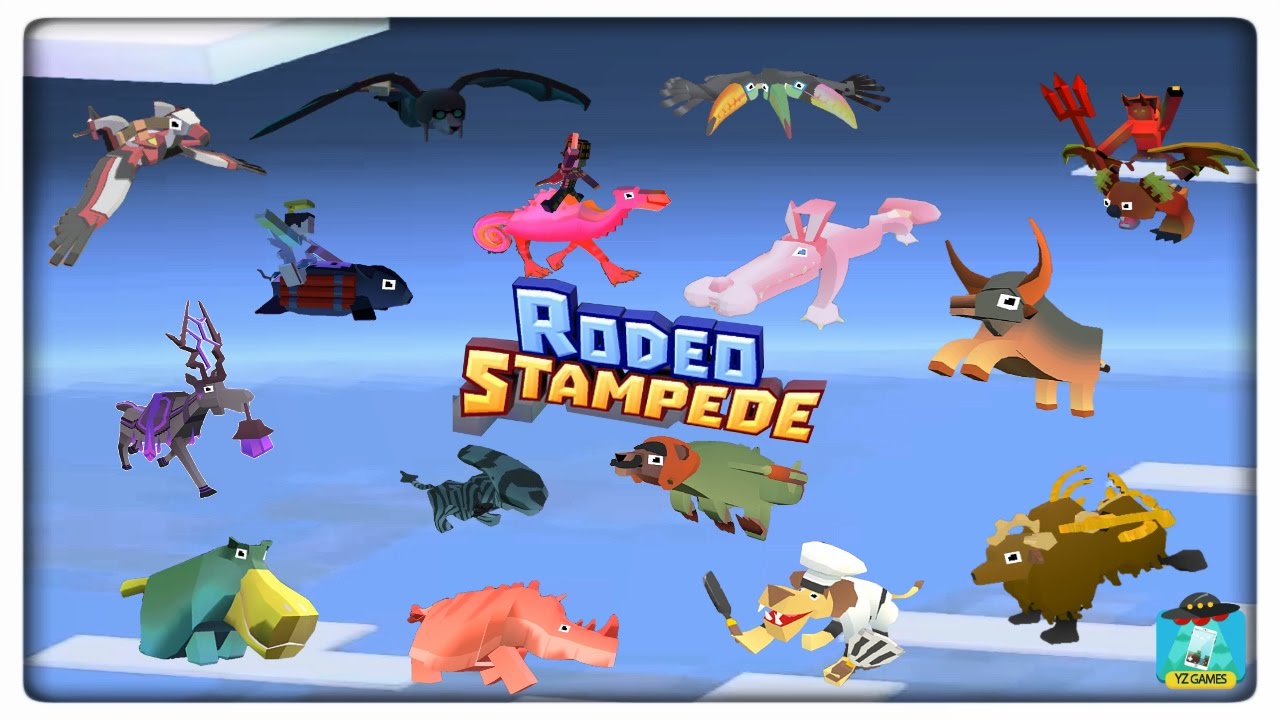
The primary mechanic – riding animals across procedurally generated terrain – is immediately engaging. Controls are simple, but mastery takes time. Each animal type introduces unique movement patterns, forcing players to adapt rather than rely on muscle memory.
What elevates Rodeo Stampede is its meta-progression system. Captured animals feed into zoo management, which in turn enhances future runs. This feedback loop is elegantly designed, encouraging long-term engagement without requiring constant attention.
I admire how the game introduces complexity gradually. New mechanics appear naturally, giving players time to understand each system before adding another. This pacing is critical for casual games, and Rodeo Stampede handles it exceptionally well.
Of course, monetization elements exist, and some players may find progression slower at higher levels. However, the game rarely feels exploitative. Most rewards can be earned through consistent play, maintaining a sense of fairness.
Rodeo Stampede is unique because it blends immediate gratification with long-term goals. Few games manage to satisfy both casual players and those who enjoy strategic planning.
Everyone should play Rodeo Stampede because it exemplifies thoughtful design in a casual format. It’s accessible, engaging, and intelligently structured — proof that mobile-friendly games can still offer depth and creativity.